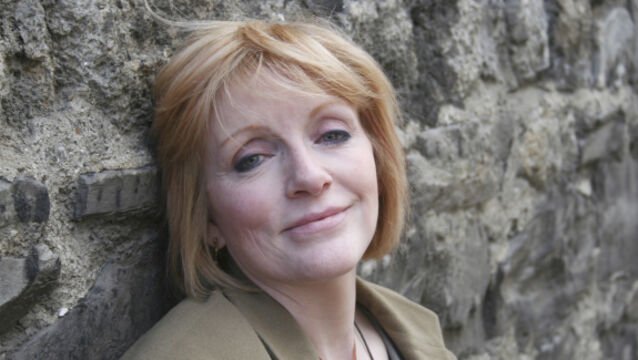

Who is Marian Price?
Marian Price was born in Belfast in 1954 into a family deeply rooted in Irish republican politics. She and her sister Dolours became involved with the Provisional Irish Republican Army (IRA) in the early 1970s, a period of intense conflict in Northern Ireland. Her life from this point on was shaped by radicalisation, imprisonment, and enduring public controversy.
Joining the IRA: Radicalisation and early activism
In her late teens, Price gravitated towards armed struggle, spurred by her family’s republican background and the volatile atmosphere of Belfast at the time. The decision to join the IRA was as much about identity and belonging as it was about ideology. She and her sister soon found themselves part of one of the most dramatic actions of the era.
The 1973 Old Bailey bombing and conviction
Marian Price was convicted for her role in the 1973 bombing at London’s Old Bailey in which one person died and many were injured. The conviction led to two life sentences, placing her at the heart of Britain’s response to IRA violence. Her time in prison would also bring further trauma.
Hunger strike, force‑feeding, and release
While serving her sentence, Price went on hunger strike alongside her sister, adamant on being treated as a political prisoner rather than a criminal. The hunger strike ended in force‑feeding—an episode widely condemned—which seriously damaged her health. She was released in 1980 on what is called a royal prerogative of mercy, largely due to deteriorating health.
Life after release and public withdrawal
Following her release, Price stepped back from the frontline of activism though she never completely disappeared from the scene. She grew increasingly critical of the peace process and elements of the political settlement in Northern Ireland. In many ways she became a figure of the margins rather than the spotlight.
Later legal issues in the 2000s and 2010s
Marian Price returned to legal trouble in the 2000s, facing charges related to dissident republican activity. For example, she was convicted in 2014 for providing a mobile phone used by the Real IRA (RIRA) in a fatal 2009 attack. These events reminded the public that her story had not simply ended decades ago.
Current status: Is Marian Price still alive?
Yes — all public credible sources indicate that Marian Price is still alive. An article from 2025 states explicitly that she remains alive and living in Northern Ireland, and no obituary or report of her death has emerged. Her legal action against the series Say Nothing gives further evidence that she is active and aware of her representation in media.
Why does the question matter?
Asking whether Marian Price is still alive is not just curiosity—it signals our relationship with history and memory. Her life intersects with major chapters of the Troubles, armed struggle, prison activism and intellectual debate about conflict. Her continued existence means the past isn’t simply closed.
Health, age and appearances
Given her birth year of 1954, Price is now in her early seventies. Her history of health problems—stemming from hunger strike, force‑feeding, prison conditions and later medical reports—has been documented by human‑rights activists and parliamentarians. That she remains alive despite these serious issues speaks to resilience, complexity and the human cost of conflict.
Media portrayal and legal battles
Price’s likeness appears in the Netflix/Disney+ series Say Nothing, which dramatizes events of the Troubles. She denies specific allegations made in the show—most notably that she shot Jean McConville—and has initiated legal action for defamation. These developments show that her life remains relevant, contested and deeply emotional for many.
Legacy: How is she seen today?
Marian Price is, arguably, a polarising figure. Some see her as a committed republican who paid dearly; others view her as an individual involved in violent actions. Her story forces us to ask uncomfortable questions: about responsibility, trauma, memory and what happens when political conflict becomes personal.
What we don’t know
A lot of her recent life remains obscured: where exactly she lives, how she spends her time, what her health condition truly is. She keeps a low profile, and that privacy in itself tells something—a shifting from high‑drama public figure to a person living the aftermath of a turbulent history.
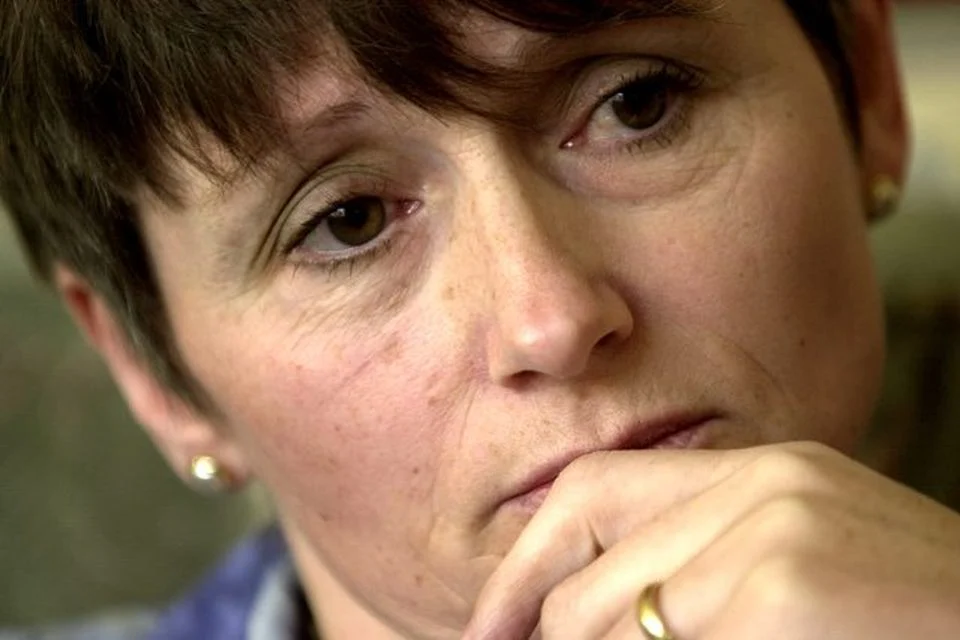
Implications for Northern Ireland’s past and present
Marian Price’s story bridges the past conflict and the present aftermath. That she is alive means that history isn’t inert—it remains alive in people, in legal claims, in cultural memory. Her existence reminds Northern Irish society that the Troubles cast long shadows, and that some threads remain unresolved.
Answering the core question
In short: Yes, Marian Price is still alive according to all available public information. There is no confirmed death, no credible contrary record. Yet living quietly and largely out of the limelight, her life has moved into a quieter phase—though one still rich with implications.
Conclusion
Marian Price’s life reads like a tragic novel of idealism, violence, suffering and endurance. From IRA volunteer to hunger‑striker, prisoner to litigant, her journey is entwined with Northern Ireland’s troubled history. The fact she is still alive brings those themes into the present: memory, accountability, survival. Her story reminds us that conflict does not simply end—it echoes in people, places, claims and silences.
FAQs
1. What is Marian Price’s birth year?
She was born in 1954 in Belfast, Northern Ireland.
2. Why was she in prison originally?
Because of her role in the 1973 Old Bailey bombing in London, for which she was convicted and given life sentences.
3. Has she been active recently?
Not in public activism like before, but yes—she has sued Disney over her portrayal in a TV series and remains a figure of interest.
4. Does she admit to killing Jean McConville?
No. She denies the allegations that the show Say Nothing depicts.
5. Why is her status (alive or not) significant for history?
Because her life continues to be part of the narrative of the Troubles — showing that the past still lives on in present‑day people and debates.