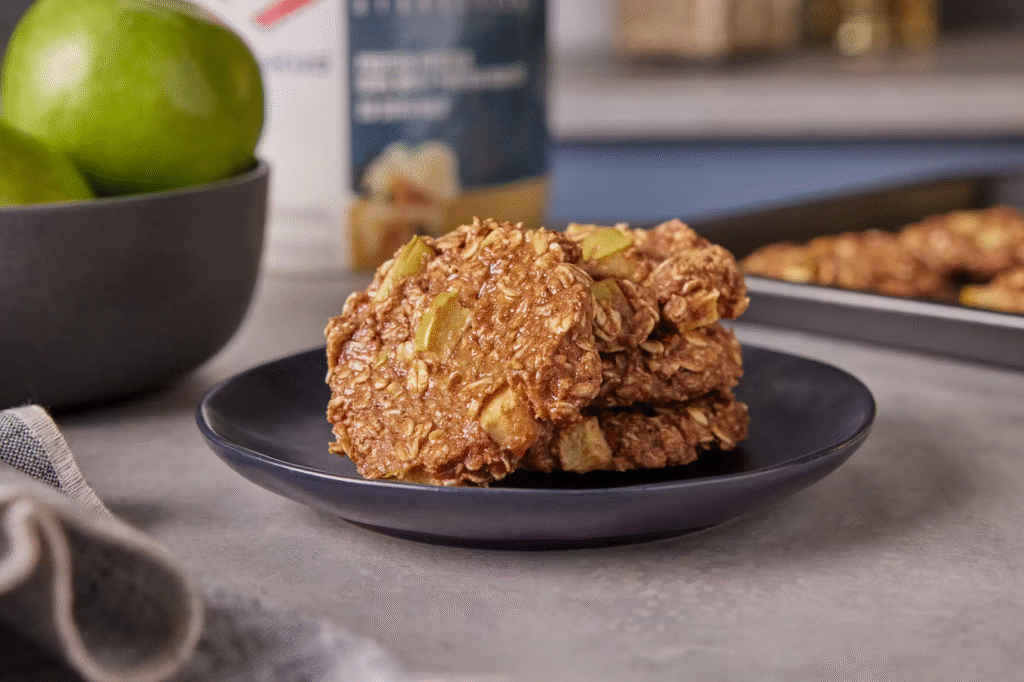

Protein cookies have moved from the niche shelves of fitness stores into a much broader food culture, where convenience, nutrition, and indulgence increasingly overlap. Once associated mainly with gym routines and bodybuilding diets, they are now part of the everyday snack landscape for students, office workers, travelers, and busy families. At first glance, the appeal seems simple: a familiar cookie with more protein. However, the story is more interesting than that. These snacks reflect a changing relationship with food—one in which people increasingly want pleasure and practicality to exist on the same plate.
Why the Modern Snack Aisle Looks Different
The popularity of protein cookies is part of a larger transformation in how consumers think about snacking. Traditionally, cookies were positioned almost entirely as treats, while protein-rich foods belonged to meals or sports nutrition. Today, those boundaries are becoming less rigid. Consequently, shoppers increasingly look for foods that can satisfy hunger while also fitting into personal nutrition goals.
This shift has created space for products that combine familiar textures with functional ingredients. A cookie can still feel comforting and enjoyable, yet its nutritional profile may make it more appealing to someone seeking a filling snack. Moreover, the rise of high-protein eating has made terms such as protein, fiber, and portion size more familiar to mainstream consumers.
What Makes Protein Cookies Different?
At their core, protein cookies are cookies formulated to provide more protein than conventional versions. Manufacturers may use ingredients such as whey protein, milk proteins, egg proteins, soy, pea protein, nuts, seeds, or other concentrated protein sources.
However, the nutritional picture can vary dramatically from one product to another. Some are designed primarily around protein content, while others emphasize fiber, reduced sugar, whole grains, or alternative sweeteners. Therefore, the word protein alone does not automatically make a cookie nutritionally superior.
For consumers, the more useful question is not simply how much protein a cookie contains, but what else comes with it. Calories, added sugar, saturated fat, fiber, sodium, and serving size can all influence whether a particular product fits comfortably into an individual’s eating pattern.
The Taste Problem: Nutrition Meets Nostalgia
Food is rarely just about nutrition. A cookie carries emotional associations that go far beyond its ingredients. It can evoke childhood lunchboxes, afternoon tea, holiday baking, or the small pleasure of eating something sweet after a long day.
That emotional dimension creates a challenge for food manufacturers. A nutritionally enhanced cookie still needs to taste like a cookie. If the texture becomes excessively dry, dense, chalky, or artificial, consumers may quickly lose interest.
As a result, the most successful products often attempt to recreate the sensory experience people already expect. Soft centers, chocolate pieces, peanut butter flavors, cinnamon, oats, and familiar aromas help bridge the gap between functional nutrition and traditional comfort food.
Protein Cookies and the Culture of Convenience
Modern food culture increasingly rewards convenience. People eat between meetings, during commutes, after workouts, between classes, and while traveling. Consequently, portable nutrition has become a significant part of the packaged-food industry.
Protein cookies fit neatly into this environment because they require no preparation. They can be placed in a backpack, desk drawer, gym bag, or car compartment and consumed whenever hunger appears.
That convenience also explains why their audience extends beyond athletes. Someone working a long shift may want a more substantial afternoon snack. A university student may need something easy between lectures. A traveler may appreciate a shelf-stable option when healthier choices are limited.
A Closer Look at the Nutrition Label
A thoughtful approach begins with the nutrition facts rather than the marketing on the front of the package.
| What to check | Why it matters |
|---|---|
| Protein | Indicates how much protein the serving actually provides |
| Fiber | Can contribute to fullness and digestive health |
| Added sugar | Helps distinguish a lightly sweetened product from a dessert-like option |
| Calories | Important when the cookie is being used as a snack rather than a meal |
| Saturated fat | Useful to consider when eating these products frequently |
| Serving size | Prevents misleading comparisons between products |
Importantly, a higher protein number should not be viewed in isolation. A cookie containing substantial protein may still be calorie-dense or heavily sweetened. Likewise, a product with moderate protein may be a perfectly reasonable snack when paired with other nutritious foods.
The Difference Between a Snack and a Meal
One of the most common misunderstandings surrounding protein cookies is treating them as complete meals. Although some products may be filling, a cookie generally cannot provide the same nutritional variety as a balanced meal containing vegetables, fruits, whole grains, healthy fats, and a broader range of nutrients.
Instead, these products are often better understood as convenient snack options. For example, someone might combine one with fruit, yogurt, or another food depending on hunger and nutritional needs.
In other words, convenience works best when it complements a varied diet rather than attempting to replace it entirely.
Who Are They Really For?
The image of the protein cookie is still strongly connected to fitness culture, but its actual audience is much wider. Social media has helped normalize high-protein eating, while the broader wellness movement has encouraged consumers to pay closer attention to satiety and food composition.
Nevertheless, not everyone needs a specialized snack. People who already obtain adequate protein from ordinary foods may gain little from paying a premium for a fortified cookie.
For others, however, the format can be practical. The appeal depends less on whether the food carries a fitness-oriented label and more on whether it solves a genuine everyday problem: hunger, portability, limited preparation time, or the desire for a more substantial sweet snack.
The Price of “Better-for-You” Indulgence
Another important part of the conversation is cost. Protein-focused snacks are frequently more expensive than conventional cookies because of specialized ingredients, formulation, branding, and packaging.
That creates an interesting cultural tension. Consumers may be willing to spend more on foods that appear to offer additional nutritional value, yet the premium can make them difficult to incorporate regularly.
For budget-conscious households, ordinary foods can often provide protein at a lower cost. Eggs, dairy products, beans, lentils, nuts, seeds, and other staples may offer nutritional value without the specialized packaging.
Thus, the premium price of a protein cookie should be judged according to convenience as well as nutrition. Sometimes consumers are paying not only for ingredients, but also for portability and time saved.
The Homemade Alternative
There is another side to the trend: homemade protein cookies. Online recipes have turned kitchens into small testing laboratories, where people experiment with oats, nut butters, bananas, cocoa, seeds, protein powders, and other ingredients.
The homemade approach offers greater control over sweetness, portion size, and ingredients. Moreover, it can make the snack feel less like a packaged health product and more like ordinary home baking.
Still, homemade does not automatically mean healthier. A recipe can become calorie-dense through generous quantities of nut butter, chocolate, sweeteners, or other ingredients. Therefore, the same principle applies: the overall recipe matters more than a single health claim.
An Expert Perspective on the Protein-Snack Trend
Imagine a quiet conversation in a neighborhood café with a nutrition professional discussing the popularity of functional snacks. The atmosphere is relaxed, but the message is measured: food should be evaluated in context.
Q: Why have high-protein snacks become so popular?
A: Convenience is a major factor. People want foods that are easy to carry while also feeling more substantial than a traditional sweet snack.
Q: Does more protein automatically mean a healthier cookie?
A: No. Protein is only one part of the nutritional picture. The ingredient list, calories, added sugar, fiber, fats, and serving size also matter.
Q: Can these cookies replace a meal?
A: Generally, they are better viewed as snacks. A balanced meal provides a wider variety of nutrients and food groups.
Q: What should shoppers look for first?
A: Start with the nutrition panel and ingredient list rather than relying solely on front-of-package claims.
Q: Is there anything wrong with simply eating a regular cookie?
A: Not at all. Enjoyment has a legitimate place in a balanced approach to eating. The important thing is the overall pattern, not perfection at every snack.
Reading the Trend Beyond the Wrapper
The popularity of protein cookies says something larger about contemporary food culture. Consumers increasingly want contradictions resolved: healthy but enjoyable, convenient but satisfying, indulgent but responsible.
That desire has encouraged the food industry to redesign familiar products rather than asking people to abandon them. Consequently, cookies, cereals, drinks, and other everyday foods are increasingly being reformulated around nutritional priorities.
Yet there is value in maintaining perspective. A functional food is still food, not a shortcut around the fundamentals of balanced eating. Marketing can make a product appear transformative, but everyday nutrition is ultimately shaped by repeated habits rather than individual purchases.
The Future of the Everyday Snack
The future of protein cookies will likely be shaped by a more informed consumer. People are becoming increasingly interested not only in protein quantity but also in ingredient quality, fiber, sugar levels, sustainability, price, and taste.
As the category matures, the products that survive may be those that offer a convincing balance rather than simply the largest number on the package. Texture, flavor, affordability, transparency, and convenience will continue to matter.
Ultimately, the appeal of protein cookies is not difficult to understand. They occupy a cultural middle ground between the cookie jar and the nutrition aisle. They acknowledge that people want pleasure, but they also recognize that modern life demands practicality. That balance may be the real reason the category has endured.
Conclusion
Protein cookies represent more than another wellness-food trend. They reflect a broader cultural movement toward flexible eating, portable nutrition, and foods that attempt to combine indulgence with functionality.
For some people, they are a convenient way to add protein to a busy day. For others, they may simply be an expensive version of a familiar treat. Neither perspective needs to be absolute. The more meaningful approach is to consider the complete nutritional picture, personal needs, budget, and enjoyment.
In the end, the best snack is rarely the one with the most impressive claim on its wrapper. It is the one that fits sensibly into real life—and can be enjoyed without losing sight of the bigger picture.