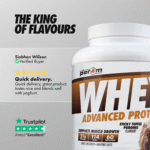

lprotein package: Why This Phrase Is Drawing Attention
lprotein package is a phrase that can appear confusing at first glance, particularly because it does not correspond to a widely recognized nutritional category or universally established product name. In online searches, however, unusual combinations of letters and words can become associated with products, protein supplements, subscription offers, meal plans, or packaging concepts. Therefore, understanding the phrase requires a little caution. Rather than assuming a specific product, it is more useful to examine what consumers may be looking for when they encounter lprotein package and why protein-focused products have become so prominent.
The Bigger Story Behind Protein-Focused Packages
Protein has moved far beyond the traditional world of bodybuilding. Today, protein appears in breakfast drinks, snack bars, ready-to-mix powders, cookies, cereals, meal replacements, and convenience foods. Consequently, a protein package can represent much more than a container of powder. It can be a carefully assembled collection of servings designed around convenience, portion control, fitness routines, or everyday nutrition. This shift reflects a broader cultural change: consumers increasingly want food products that fit around busy schedules rather than requiring substantial preparation. Protein has become part of that convenience culture.
What Consumers May Expect From a Protein Package
When people search for lprotein package, they may be trying to understand what comes inside a particular package, how many servings it contains, how much protein each serving provides, or whether the purchase offers better value than buying individual products. These questions matter because packaging can influence how consumers perceive a product. A large container may suggest value, while individually wrapped portions can communicate convenience. Similarly, bundles containing several flavors or complementary products can turn an ordinary supplement purchase into a lifestyle-oriented experience. Ultimately, the package becomes part of the product’s identity.
Reading the Label Before Reading the Marketing
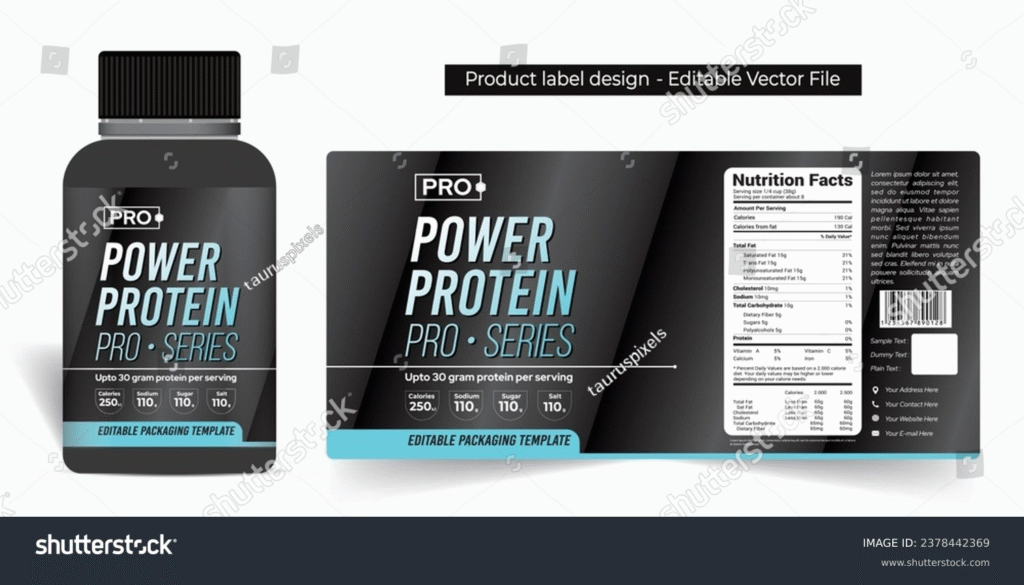
A visually impressive protein package can create an immediate impression, but the nutrition label deserves more attention. Protein quantity is important, yet it is not the only consideration. Consumers should also examine serving size, calories, carbohydrates, fats, added sugars, ingredients, allergens, and any relevant warnings. Moreover, different protein sources can have different nutritional characteristics. Whey, casein, soy, pea, and other protein ingredients may suit different dietary preferences and requirements. Therefore, the most useful package is not necessarily the largest or most heavily marketed one; it is the one whose contents genuinely match the consumer’s needs.
Why Packaging Has Become Part of Wellness Culture
Modern wellness culture is increasingly visual. Protein products are often photographed beside gym equipment, office desks, travel bags, or carefully arranged meals. As a result, packaging has become a form of lifestyle communication. A minimalist container may suggest sophistication, while bright colors and athletic imagery can signal energy and performance. Even when the nutritional differences between products are modest, presentation can strongly influence purchasing decisions. In this environment, lprotein package may be searched not simply because someone wants protein, but because they want to understand a particular packaged solution within the expanding culture of convenience and self-directed wellness.
Convenience Is the Real Selling Point
The popularity of packaged protein products is closely connected to time. A person leaving for work may not have time to prepare a high-protein breakfast. A student may need something portable between classes. Likewise, someone traveling may prefer individually portioned servings rather than carrying a large container. Consequently, packaging solves a practical problem: it reduces friction. Instead of measuring ingredients or preparing food from scratch, consumers can reach for a prepared portion. That convenience does not automatically make a product healthier, but it explains why packaged protein has become increasingly visible in everyday routines.
Protein Packages and the New Economics of Portions
Portioning also has an economic dimension. Buying a larger package can sometimes reduce the cost per serving, although the exact value depends on the product and retailer. Conversely, smaller packages may cost more per serving while reducing waste and making experimentation easier. This creates a familiar consumer dilemma: value versus flexibility. For someone trying a new protein product, a smaller package may make sense. For a regular user who already knows what works for them, a larger package may be more practical. Thus, package size can influence both spending habits and consumption patterns.
A Note on Product Claims and Consumer Trust
Protein marketing frequently uses words such as premium, clean, natural, performance, recovery, or advanced. However, these descriptions should not replace careful label reading. A package may look highly specialized while containing ingredients that are relatively ordinary. Similarly, a higher protein number does not automatically mean a product is appropriate for every person. Consumers should consider the entire nutritional profile and follow the manufacturer’s directions. If a product is being used to address a specific nutritional or medical need, professional advice can be more appropriate than relying solely on advertising language or online search results.
The Human Side of Protein Packaging
Behind every protein purchase is a personal routine. For one consumer, the package may represent preparation for a first gym session. For another, it may be an easy breakfast during a demanding workday. Someone else may simply prefer a convenient snack that helps them feel satisfied between meals. These ordinary moments explain why packaged nutrition has become culturally significant. Food is never only about nutrients; it is also about time, identity, habit, aspiration, and convenience. The popularity of protein packaging reflects how modern consumers increasingly organize food around the realities of contemporary life.
How to Evaluate an lprotein package Before Buying
The safest approach is straightforward. First, identify exactly what product the phrase lprotein package refers to, because the term itself does not clearly establish a single standardized product. Next, check the serving size and protein content rather than relying on front-of-package imagery. Then review the complete ingredient list, allergens, calories, and storage instructions. Afterward, compare the cost per serving with alternatives. Finally, consider whether the product fits your actual routine. A package is useful when its contents, price, convenience, and nutritional profile make sense together—not simply because its presentation looks convincing.
Why the Phrase May Be Difficult to Search
One reason lprotein package can be challenging is that online product terminology is inconsistent. A missing space, typo, abbreviation, or brand-specific phrase can change search results dramatically. In addition, retailers sometimes describe similar products using different terminology. Consequently, consumers may encounter several unrelated results while searching for the same basic idea. This is a reminder that search language does not always equal product language. When a phrase appears unfamiliar, checking the original product label, manufacturer information, retailer listing, or exact spelling can help establish what is actually being discussed.
Frequently Asked Questions
What is an lprotein package?
The phrase lprotein package does not appear to represent a universally recognized category. It may refer to a particular product, bundle, protein supplement package, or a search phrase containing a spelling or formatting variation.
What should I check on a protein package?
Look at the serving size, protein amount, calories, ingredients, added sugars, allergens, directions, and storage information. Comparing the cost per serving can also help determine whether the package offers reasonable value.
Is a larger protein package always better?
Not necessarily. Larger packages may offer better value per serving, but smaller packages can be more convenient and allow consumers to test a product before committing to a larger purchase.
Does more protein automatically mean a better product?
No. Protein quantity is only one part of nutritional quality. The wider ingredient and nutrition profile, along with individual dietary needs, should also be considered.
The Meaning Behind the Package
Ultimately, lprotein package is best approached as an uncertain search term rather than a label with one universally accepted meaning. What is clearer is the larger cultural movement surrounding protein: people increasingly want nutrition that is portable, convenient, understandable, and compatible with demanding schedules. Packaging has therefore become more than a practical container. It shapes expectations, communicates identity, and influences purchasing decisions. As protein continues to occupy a larger place in contemporary food culture, consumers will benefit from looking beyond attractive packaging and asking the more important question: what is actually inside?