
Per4m Whey and the Changing Meaning of Protein
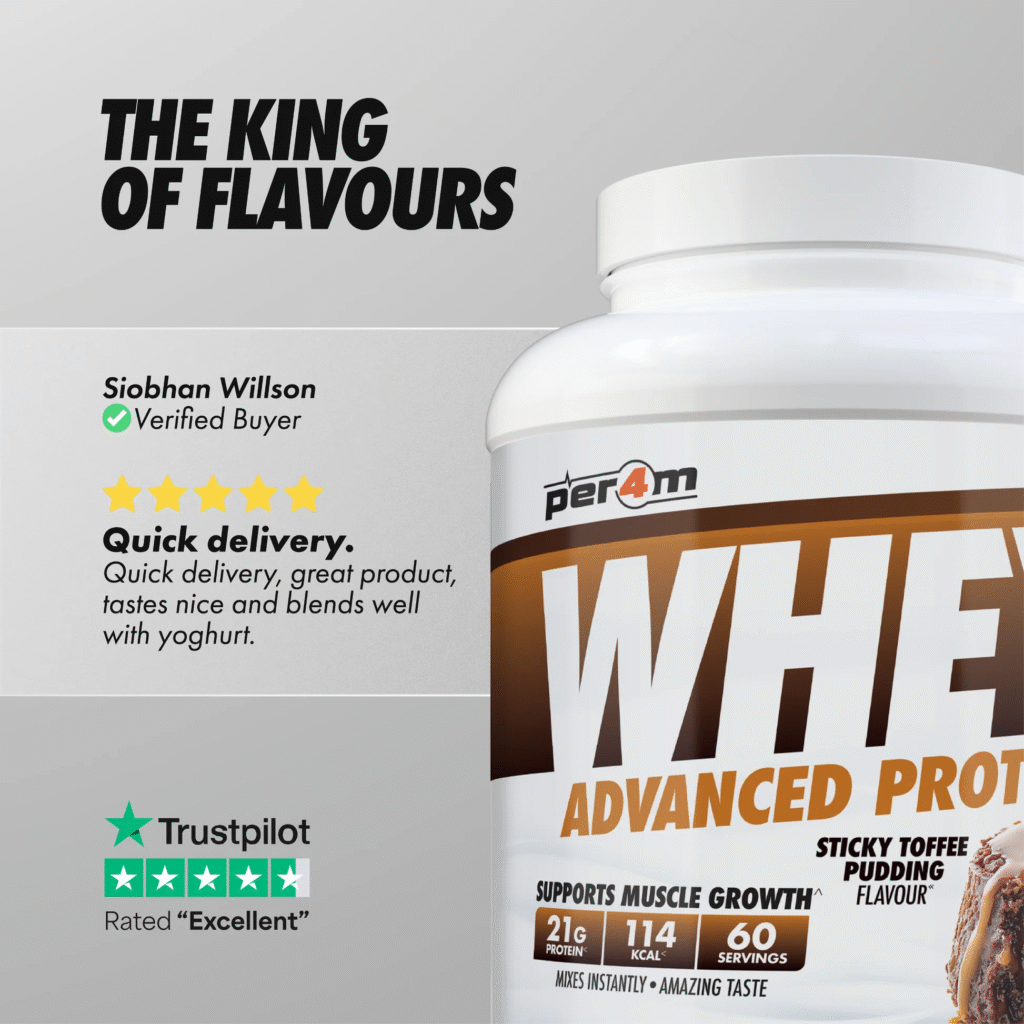
Per4m Whey sits within a broader shift in how people think about protein, exercise, and everyday nutrition. Once associated mainly with serious bodybuilders, whey supplements have increasingly entered ordinary routines, from post-workout shakes to convenient breakfasts. Per4m Whey appeals to that culture of efficiency, where people want nutrition that can fit around work, training, travel, and busy schedules. At the same time, the product category raises familiar questions about ingredients, quality, taste, serving size, and value. Understanding those details helps consumers look beyond packaging and marketing.
Why Whey Protein Remains So Popular
Whey protein has maintained its popularity because it offers a convenient way to increase dietary protein without preparing a complete meal. Moreover, whey contains all nine essential amino acids and is particularly rich in leucine, an amino acid involved in stimulating muscle protein synthesis. For people who exercise regularly, that makes whey an appealing addition to an already balanced diet. However, a protein powder is best understood as a supplement rather than a replacement for varied meals. Per4m Whey therefore belongs to a much larger conversation about convenience and practical nutrition.
The Appeal of Per4m Whey in Modern Fitness Culture
The attraction of Per4m Whey is not simply about protein grams. Instead, products in this category have become part of a lifestyle language built around consistency, preparation, and personal goals. A shaker bottle in a gym bag can represent a commitment to training, while a quick shake after exercise can make an otherwise complicated routine feel manageable. Furthermore, the popularity of protein supplements reflects changing expectations around food: consumers increasingly want products that are portable, measurable, and easy to incorporate into daily habits without requiring elaborate preparation.
What Consumers Should Examine Before Buying
When considering Per4m Whey, consumers should look beyond the front of the container. The nutrition panel can reveal considerably more about a product than its promotional language. Protein per serving, calories, carbohydrates, fats, sweeteners, allergens, and serving size all deserve attention. Likewise, the ingredient list can help shoppers understand whether the product contains additional ingredients intended for flavor, texture, or formulation. Most importantly, consumers should compare the actual protein provided per serving with the price rather than judging value solely by package size.
| What to Check | Why It Matters |
|---|---|
| Protein per serving | Helps determine how much protein the product actually provides |
| Serving size | Makes comparisons between products more meaningful |
| Calories and macros | Useful when protein intake is being balanced with overall nutrition |
| Ingredient list | Shows the major components and additional ingredients |
| Allergen information | Particularly important for people with milk or other dietary sensitivities |
| Price per serving | Provides a clearer measure of value than container size alone |
Taste, Texture, and the Everyday Experience
Protein powder is ultimately a food product, so taste matters. Even a nutritionally attractive formula may become an unused purchase if its flavor or texture does not suit the person drinking it. Consequently, consumers often judge whey through practical experience: how easily it mixes, whether it feels heavy, how sweet it tastes, and whether it works well with water, milk, oats, or smoothies. Per4m Whey can be viewed through this everyday lens. The most useful supplement is generally the one a person can comfortably and consistently include in an established routine.
Per4m Whey and the Psychology of Consistency
There is an interesting psychological dimension to protein supplements. Fitness culture often celebrates dramatic transformations, yet meaningful progress usually depends on smaller repeated behaviors. Preparing a protein shake may seem insignificant, but routines can provide structure around training and nutrition. Furthermore, the visual presence of a familiar supplement can reinforce a person’s sense of commitment to a particular goal. That does not make whey inherently transformative. Rather, it demonstrates how nutrition products can become symbols within personal routines, connecting an ordinary drink with broader ambitions involving strength, health, performance, or body composition.
Where Whey Fits Into a Balanced Diet
A thoughtful approach to Per4m Whey begins with the wider diet rather than the supplement itself. Protein can come from eggs, dairy, meat, fish, legumes, soy, nuts, seeds, and other foods. Therefore, whey is most useful when it solves a practical problem, such as making it easier to reach an individual’s protein target when whole-food options are inconvenient. People with specific dietary needs, allergies, kidney conditions, or other health concerns should seek individualized guidance from a qualified healthcare professional before substantially changing protein intake.
The Bigger Cultural Story Behind Protein Powders
The rise of products such as Per4m Whey reflects more than the growth of gyms. Protein has become a cultural shorthand for strength, discipline, recovery, and self-improvement. Social media has amplified that symbolism, turning meal preparation, gym routines, and supplement choices into visible parts of identity. At the same time, consumers are becoming more skeptical of exaggerated promises. Increasingly, the conversation is moving toward labels, evidence, transparency, and realistic expectations. That evolution may ultimately benefit shoppers because it encourages a more informed relationship with supplements rather than treating them as shortcuts.
Questions Worth Asking Before Adding Whey to Your Routine
Is Per4m Whey a meal replacement?
Generally, whey protein should not automatically be treated as a complete meal replacement. A balanced meal can provide protein alongside fiber, micronutrients, carbohydrates, fats, and other nutrients. A shake may be convenient, but its nutritional role depends on what else is included in the person’s diet.
Is whey only useful for athletes?
No. People with different activity levels may use whey as a convenient protein source. However, the amount someone needs depends on factors such as body size, activity, age, dietary pattern, and individual goals. More protein is not automatically better.
Should the label be checked before purchasing?
Yes. Checking the nutrition facts and ingredient list is one of the simplest ways to compare protein supplements. Serving size, protein content, calories, sweeteners, allergens, and additional ingredients can differ substantially between products.
Can whey replace protein-rich foods?
It can supplement them, but it does not need to replace them. Whole foods offer a broader nutritional package, while whey can provide convenience when preparing or carrying a protein-rich meal is difficult.
Conclusion: Looking Beyond the Scoop
Per4m Whey belongs to a generation of nutrition products shaped by convenience, fitness culture, and the desire for measurable progress. Yet its real value is not found in the drama of transformation promised by the supplement industry. Instead, it lies in whether the product fits sensibly into an individual’s wider dietary pattern and daily routine. Ultimately, the most useful perspective is a balanced one: understand the label, consider the nutritional context, recognize personal needs, and treat whey as one tool among many. In an increasingly busy fitness culture, consistency remains more meaningful than hype.