
Do Cough Drops Expire? The Simple Answer
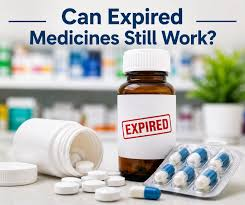
Do cough drops expire? Yes. Like many over-the-counter products, cough drops generally have an expiration date that indicates how long the manufacturer expects the product to remain stable, effective, and suitable for use when stored properly. Although they may look unchanged after that date, their active ingredients can gradually lose potency. Therefore, an old cough drop is not necessarily dangerous simply because the date has passed, but it is generally better to replace expired products rather than rely on them when relief is needed.
Why Cough Drops Have Expiration Dates
Expiration dates exist because medications are not guaranteed to maintain their original quality indefinitely. Over time, active ingredients may gradually degrade, while moisture, heat, light, and poor storage can affect the product’s texture and stability. Consequently, the date printed on a cough-drop package is more than a suggestion about freshness. It represents the period during which the manufacturer has established that the product should meet its expected specifications when stored according to the label. For consumers, it provides a practical boundary for deciding whether an older package belongs in the medicine cabinet.
What Happens to Cough Drops After They Expire?
When people ask do cough drops expire, they often imagine that an expired lozenge suddenly becomes harmful at midnight on its expiration date. In reality, expiration is usually a gradual process rather than an instant transformation. The active ingredients may slowly become less effective, meaning the cough drop might not provide the relief expected. Meanwhile, changes in appearance, taste, texture, or smell can occur, particularly when the package has been opened or exposed to unsuitable conditions. Thus, an expired cough drop may simply be less reliable, but that uncertainty is precisely why replacement is recommended.
The Difference Between Expired and Poorly Stored
Expiration is only one factor. Storage matters too. For example, cough drops kept for months in a hot car may experience conditions far outside those anticipated by the manufacturer, even if their printed expiration date has not arrived. Similarly, exposure to humidity can soften some lozenges or affect their wrappers and packaging. Therefore, consumers should consider both the date and the condition of the product. If cough drops appear unusually discolored, sticky, cracked, misshapen, wet, or otherwise different from their original condition, discarding them is the sensible choice.
Can You Take Expired Cough Drops?
For most people, the safest general approach is to avoid using cough drops after their expiration date, especially when a fresh package is readily available. An expired product may not deliver its intended amount of relief, and there is little benefit in taking an uncertain product when an in-date alternative can be purchased inexpensively. Moreover, some cough drops contain active medicinal ingredients rather than being simple sweets. Reading the label is therefore important. If a person has a medical condition, takes other medicines, or is considering a product for a child, professional advice may be appropriate.
Why the Medicine Cabinet Can Be Deceptive
A medicine cabinet often tells a story about household habits. There may be pain relievers bought during winter, allergy medicine from spring, and a half-used packet of cough drops left over from a previous illness. Because lozenges resemble ordinary candy, they can feel less like medication and more like pantry items. However, that familiarity can encourage people to overlook expiration dates. As a result, periodically checking household medicines is a small but useful habit. Keeping products in their original packaging also makes it easier to identify expiration dates, ingredients, dosage information, and storage instructions.
How to Store Cough Drops Properly
Proper storage can help a cough-drop product remain within the manufacturer’s intended quality period. Generally, consumers should follow the storage instructions printed on the package and keep the product away from excessive heat, moisture, and direct sunlight. A cool, dry location is often appropriate when the label does not specify otherwise. In addition, keeping the package sealed can reduce exposure to humidity and contamination. Importantly, cough drops should also be stored where young children cannot access them freely, because medicinal lozenges can pose risks when mistaken for ordinary candy.
Signs That an Old Cough Drop Should Be Discarded
The expiration date should be the first thing to check, but it is not the only consideration. An old cough drop deserves particular caution if its packaging is damaged, opened for an extended period, or visibly contaminated. Likewise, changes in color, odor, texture, or shape can indicate that the product has not remained in good condition. If a lozenge has become unusually soft, wet, sticky, or broken apart, there is little reason to take the risk. Ultimately, when the condition of a medicinal product is questionable, replacing it is usually the simplest decision.
Are Cough Drops Basically Candy?
This is where appearances can be misleading. Cough drops are often sweet, flavored, and designed to dissolve slowly in the mouth, which gives them a candy-like character. Nevertheless, many contain active ingredients intended to soothe the throat or temporarily relieve coughing. Some may contain menthol, while others use different ingredients depending on the product. Consequently, consumers should treat medicinal cough drops as medicines rather than ordinary confectionery. The distinction matters particularly for children, people taking multiple medications, and anyone who might consume several lozenges without checking the recommended directions.
When a Cough Needs More Than a Lozenge
Cough drops are designed for temporary symptom relief, not for diagnosing the underlying cause of a cough. A cough can accompany a common cold, allergies, irritation, reflux, or other conditions, and the appropriate response depends on the circumstances. Therefore, persistent, severe, worsening, or unusual symptoms should not simply be managed indefinitely with lozenges. Breathing difficulty, chest pain, coughing up blood, or other concerning symptoms warrant prompt medical attention. In other words, knowing do cough drops expire is useful, but knowing when a cough requires professional evaluation is even more important.
A Better Way to Think About Expiration Dates
The most useful lesson is not to panic about an expired cough drop, but to respect the information provided on its packaging. Expiration dates create a clear boundary around the period in which a manufacturer can support the product’s expected quality and potency. At the same time, proper storage and package condition remain important throughout that period. Therefore, if an old packet has expired, replacing it is usually a practical and inexpensive choice. A medicine cabinet does not need to be perfectly organized; it simply needs enough attention to keep everyday treatments dependable.
Frequently Asked Questions
Do cough drops expire if they are unopened?
Yes. An unopened package can still reach its expiration date. Sealed packaging may protect the product from environmental exposure, but it does not make the ingredients permanently stable.
Can expired cough drops make you sick?
An expired cough drop is not automatically poisonous. However, its ingredients may no longer have their intended potency or quality. If the product is significantly expired or shows changes in appearance, smell, or texture, discarding it is preferable.
How long are cough drops good after the expiration date?
There is no universally reliable period that applies to every cough drop. Different formulations and storage conditions can affect stability. For that reason, consumers should follow the manufacturer’s expiration date rather than assuming an extra number of months is safe.
Should you refrigerate cough drops?
Usually, refrigeration is unnecessary unless the product’s label specifically recommends it. Instead, follow the storage directions and generally keep medicinal lozenges in a cool, dry place away from excessive heat and moisture.
Can children use cough drops?
Age recommendations vary by product, and some lozenges may present a choking hazard for young children. Parents and caregivers should read the specific label and follow age and dosage instructions rather than treating cough drops like ordinary candy.
Conclusion: A Small Package With a Bigger Lesson
Do cough drops expire? They do, and the answer highlights a broader principle of everyday medicine: convenience should not replace attention. A forgotten packet at the back of a drawer may seem harmless, particularly when the lozenges still look perfectly normal. Nevertheless, expiration dates, storage conditions, packaging, and product instructions all provide useful information about whether a medicine remains appropriate to use.
Ultimately, replacing an expired packet is rarely difficult or expensive. More importantly, it removes uncertainty at the moment when someone is already dealing with a cough or sore throat. In that sense, checking the medicine cabinet is less about fear and more about preparedness. The humble cough drop may be small, but knowing how to use and store it responsibly is part of a larger culture of sensible self-care.