
Hip Abduction Machine and the Modern Language of Lower-Body Training
hip abduction machine training occupies an interesting place in contemporary fitness. While barbells and treadmills often dominate gym culture, this seated machine focuses on a smaller, less celebrated movement: moving the legs outward against resistance. Nevertheless, that motion involves muscles around the hips that contribute to pelvic control and lower-body stability. As fitness has become more attentive to mobility, balance, and functional strength, exercises targeting these areas have gained greater visibility. Consequently, the machine represents more than an isolated piece of equipment; it reflects a broader shift toward understanding how smaller muscle groups support everyday movement.
Why the Muscles Around the Hips Matter
The muscles responsible for hip abduction help move the thigh away from the body’s midline. Among the key contributors are the gluteus medius and gluteus minimus, alongside other muscles that assist with hip stability. Their work may seem modest compared with a heavy squat or deadlift, yet their role becomes clearer during walking, climbing stairs, changing direction, and maintaining balance on one leg. Therefore, strengthening this region can complement broader lower-body training. Rather than replacing compound exercises, targeted work can provide another layer of muscular awareness and control.
A Machine Built Around Simplicity
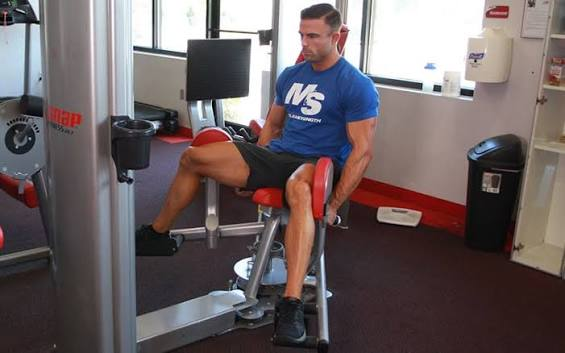
One reason the hip abduction machine remains popular is its straightforward design. The user sits, adjusts the resistance, positions the legs against padded supports, and presses outward in a controlled motion. Because the movement is guided by the equipment, beginners can often understand the basic pattern quickly. Moreover, the seated position can make the exercise feel less intimidating than free-weight movements that require greater coordination. In busy commercial gyms, that simplicity has cultural value: it gives people a clearly defined station where they can concentrate on one movement without feeling watched or rushed.
From Bodybuilding Accessory to Everyday Fitness Tool
Historically, machine-based exercises were often associated with bodybuilding routines and highly structured gym programs. Today, however, their audience is much broader. Recreational lifters, older adults, athletes, and people simply trying to become more comfortable with resistance training may all encounter targeted hip exercises. As fitness culture has shifted toward longevity and movement quality, machines that isolate particular areas have acquired a different meaning. They are no longer necessarily about appearance alone. Instead, they can represent a practical approach to building confidence, consistency, and familiarity with resistance training.
What Good Technique Looks Like
Effective use depends less on moving the heaviest possible weight and more on maintaining control. The seat and starting position should be adjusted so that the hips remain supported and the knees align comfortably with the machine’s intended movement path. Then, the legs can be pressed outward without using momentum or abruptly snapping through the range of motion. Likewise, returning slowly can keep the muscles engaged rather than allowing the weight stack to dictate the movement. In this context, restraint is a strength: controlled repetitions often make the exercise more purposeful than simply chasing heavier numbers.
The Difference Between Effort and Ego
Gym culture sometimes encourages people to measure progress through visible displays of strength. A heavily loaded barbell can become a social statement, whereas smaller isolation movements receive less attention. The hip abduction machine quietly challenges that hierarchy. Its effectiveness is difficult to judge by appearance alone, because the movement requires concentration rather than spectacle. Furthermore, increasing resistance too quickly can encourage shortened repetitions or compensatory movement. For many trainees, learning to distinguish genuine muscular effort from gym-floor ego becomes part of the larger lesson: progress does not always need to look impressive to be meaningful.
How It Can Complement a Lower-Body Routine
A balanced lower-body program typically includes movements that train several joints and muscle groups, alongside exercises that address specific areas. Squats, lunges, hinges, step-ups, and other compound patterns can develop broad strength, while targeted hip work may complement those movements. For that reason, the machine can fit naturally toward the middle or end of a workout, depending on the individual’s program. It does not need to become the centerpiece. Instead, its value often comes from how it supports a larger training philosophy built around variety, progressive resistance, recovery, and consistent practice.
| Training focus | Where hip-focused machine work can fit |
|---|---|
| General strength | As supplementary lower-body work |
| Glute-focused training | Alongside compound and isolation movements |
| Beginner training | As a simple introduction to targeted resistance |
| Athletic preparation | As part of a broader strength and stability program |
| General fitness | As an optional accessory exercise |
The Appeal of a More Private Kind of Progress
There is also a human story behind the popularity of machines like this. Not everyone enters a gym hoping to become visibly muscular or impress other members. Some people are rebuilding confidence after years away from exercise. Others want to feel steadier while walking, lifting groceries, climbing stairs, or participating in recreational activities. Because the hip abduction machine offers a relatively contained movement, it can provide a comfortable starting point. Over time, those repeated, unglamorous sessions can become evidence of something more important than appearance: the ability to keep showing up.
An Expert View: Training the Often-Ignored Areas
In a quiet corner of a neighborhood gym after the evening rush, a strength coach might describe targeted hip work as a supporting actor rather than the star of a training program. The distinction matters. Good programming is rarely about declaring one exercise universally superior. Instead, it is about identifying what an individual needs and selecting movements that fit those needs.
Q: Why do people often overlook hip abduction work?
A: Large movements naturally receive more attention because they involve more weight and muscle groups. However, smaller stabilizing muscles still contribute to efficient movement.
Q: Should beginners use the machine?
A: They can, provided the equipment is adjusted appropriately and the movement is comfortable. Starting with manageable resistance makes technique easier to learn.
Q: Is heavier resistance always better?
A: No. Resistance should allow controlled movement through a useful range. If the load causes momentum or discomfort, it may be excessive.
Q: Can this replace squats or lunges?
A: Generally, it is better viewed as complementary. Compound movements and targeted exercises serve different purposes within a balanced program.
Q: What is the biggest mistake people make?
A: Rushing repetitions. Slow, deliberate movement often provides better awareness and makes it easier to maintain consistent technique.
The Machine’s Place in a Changing Fitness Culture
Modern gyms increasingly reflect a more inclusive understanding of what fitness can mean. Strength is no longer presented solely as a competition between heavier weights and bigger physiques. Instead, conversations increasingly include mobility, stability, longevity, confidence, and quality of movement. The hip abduction machine fits comfortably within that evolution. Although its design is uncomplicated, its cultural significance is surprisingly broad: it demonstrates that effective training can involve overlooked muscles, modest movements, and goals that are deeply personal.
What to Remember Before Making It Part of Your Routine
The most useful approach is to treat the machine as one tool among many. Adjust the equipment carefully, begin with a resistance you can control, and avoid turning every session into a test of maximum strength. Additionally, pay attention to how the exercise feels rather than assuming discomfort equals effectiveness. If pain, unusual symptoms, or persistent discomfort occurs, stopping and seeking appropriate professional guidance is sensible. Ultimately, consistency matters more than novelty. A thoughtfully performed accessory exercise repeated over months can contribute far more to a training routine than an impressive session performed only occasionally.
Conclusion: Strength Does Not Always Announce Itself
The hip abduction machine may never command the same attention as a squat rack or a loaded deadlift platform, yet that quietness is part of its appeal. It represents a different idea of strength—one concerned with control, support, balance, and the less visible architecture of movement. As fitness culture continues to mature, these details matter increasingly. People are discovering that meaningful progress is not always dramatic. Sometimes it is simply the ability to move with greater confidence, train with greater awareness, and build strength patiently, one controlled repetition at a time.