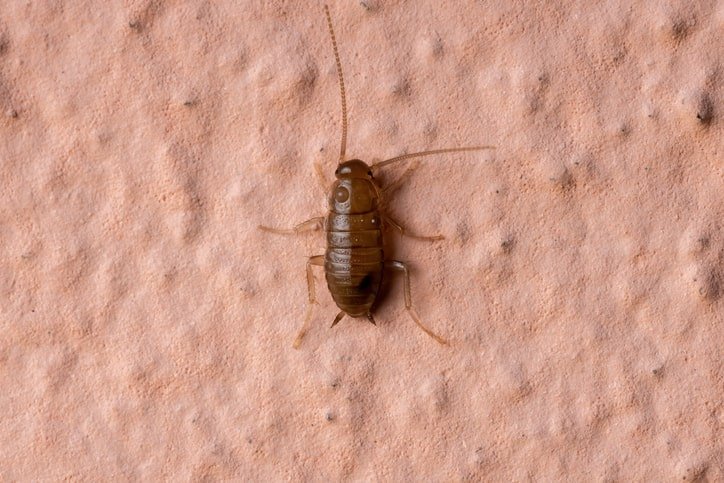

Bed Bug Baby Cockroach: Why the Confusion Happens
bed bug baby cockroach is a phrase that captures a surprisingly common household confusion: seeing a tiny crawling insect and immediately wondering whether it is a young bed bug or a young cockroach. At a glance, both can appear small, brownish, and difficult to identify, especially in dim corners or behind furniture. However, they are very different insects with different habits, hiding places, and control strategies. Understanding those distinctions matters because misidentification can lead to wasted time, ineffective treatments, and unnecessary anxiety about what is happening inside a home.
The Tiny Insect That Changes the Question
The phrase bed bug baby cockroach is not a scientific classification. Instead, it usually reflects uncertainty about an immature household insect. A baby cockroach is properly called a nymph, while a young bed bug is a nymph as well. Nevertheless, their bodies develop differently. Cockroach nymphs generally have a more elongated, flattened appearance and may show a distinctive pale stripe or darker markings depending on the species. Bed bug nymphs are smaller, flatter, and more broadly oval, particularly after feeding.
What a Baby Cockroach Actually Looks Like
A baby cockroach can be startling because its appearance changes as it grows. Freshly hatched nymphs may be pale or nearly white before their outer body darkens. Soon afterward, they develop the compact but elongated shape associated with cockroaches. They typically have relatively long antennae and move quickly when disturbed. Moreover, their behavior can offer an important clue: cockroach nymphs tend to disappear rapidly into cracks, gaps, cabinets, drains, or other sheltered areas. Their speed often distinguishes them from the slower movement of bed bugs.
What Makes a Young Bed Bug Different
Young bed bugs have a very different visual profile. They are generally tiny, flat, oval, and translucent or pale before feeding. After consuming blood, their abdomen can become noticeably darker or reddish. Unlike cockroach nymphs, bed bug nymphs do not have the pronounced antennae or elongated body shape associated with cockroaches. They also tend to remain close to places where people sleep or rest. Consequently, finding a small insect around mattress seams, bed frames, upholstered furniture, or nearby cracks deserves closer inspection.
A Quick Visual Comparison
| Feature | Cockroach Nymph | Bed Bug Nymph |
|---|---|---|
| Body shape | More elongated and flattened | Broad, oval, and very flat |
| Movement | Usually quick and agile | Generally slower |
| Antennae | Long and noticeable | Shorter and less prominent |
| Typical location | Kitchens, bathrooms, cracks, cabinets | Beds, sofas, mattress seams, nearby crevices |
| Food source | Varies by species; often scavenges household material | Feeds on blood |
| Common clue | Droppings, egg cases, hiding in dark gaps | Blood spots, shed skins, or clustered signs near sleeping areas |
The table is useful because individual insects can vary in color and size, while behavior and location often provide additional evidence.
Why Size Alone Can Be Misleading
Size is one of the least reliable ways to identify a mystery insect. A very young cockroach may be smaller than expected, while a mature bed bug can remain surprisingly tiny. Furthermore, lighting can make a brown insect appear black, reddish, or almost transparent. Household surfaces create another problem: dust and shadows can obscure body outlines. Therefore, instead of asking only how large the insect is, it is more useful to examine its shape, speed, antennae, location, and surrounding evidence.
Where the Two Pests Usually Reveal Themselves
Location can transform an uncertain sighting into a much clearer identification. Cockroach nymphs are often associated with warm, sheltered areas where food, moisture, and darkness are available. Kitchens, utility spaces, bathrooms, and gaps around appliances can therefore be significant. Bed bug nymphs, by contrast, are strongly associated with sleeping and resting areas because their food source is nearby. As a result, an insect repeatedly appearing around mattress seams or the joints of a bed deserves a different investigation from one discovered beneath a kitchen sink.
The Household Psychology Behind a Tiny Sighting
A small insect can produce an outsized emotional reaction. For many people, discovering something crawling across a wall or mattress immediately raises questions about cleanliness, safety, and whether an infestation has already spread. Yet neither pest should automatically be interpreted as evidence of personal hygiene. Homes are complex environments, and insects can enter through packaging, luggage, cracks, plumbing spaces, neighboring units, or ordinary household movement. Recognizing this distinction is important because panic can encourage hurried decisions, whereas careful identification usually leads to more effective action.
Why Misidentification Can Become Expensive
Calling every tiny brown insect a bed bug or cockroach can create practical problems. Treatments designed for one pest may not address another, and repeated spraying can become costly without solving the underlying issue. In addition, moving furniture or discarding belongings unnecessarily can make a stressful situation even more disruptive. Instead, homeowners can begin with observation and documentation. A clear photograph, the location where the insect was discovered, and notes about its movement can provide useful information before any major intervention is attempted.
The Clues That Matter Beyond the Insect
An insect should rarely be considered in isolation. Around suspected cockroach activity, people may notice droppings, egg cases, unusual odors, or repeated sightings around dark structural gaps. With bed bugs, evidence may include small blood marks, shed skins, fecal spotting, or repeated signs around sleeping areas. However, individual clues can be misleading. For that reason, a combination of physical appearance, location, behavior, and supporting evidence is much stronger than relying on one mysterious spot or one fleeting glimpse.
A Better Way to Investigate the Mystery
When a tiny insect appears, the most useful first step is to slow down. If possible, capture the insect without crushing it and photograph it against a plain background. Take another photograph showing the surrounding location, because context can be surprisingly informative. Then inspect nearby areas without immediately dismantling the room. For suspected bed bugs, examine mattress seams and bed-frame joints. For possible cockroaches, inspect cracks, cabinets, plumbing areas, and appliance spaces. This measured approach can turn an alarming discovery into a manageable identification exercise.
When Professional Identification Makes Sense
Sometimes the insect is simply too small or damaged to identify confidently. In those cases, professional pest identification can save considerable time. A qualified pest professional can examine the insect and surrounding evidence while considering the building’s construction, moisture conditions, and potential entry points. Moreover, professional assessment becomes particularly valuable when sightings are recurring or when multiple rooms appear affected. Rather than treating every unexplained insect sighting as an emergency, the goal is to establish what is actually present and then choose a response suited to that pest.
Why the Internet Can Make the Confusion Worse
Online searches have made insect identification easier, but they have also created a new kind of uncertainty. Photographs frequently show insects under magnification, perfect lighting, or unusual angles that do not resemble what people encounter at home. Search results can therefore encourage comparisons based almost entirely on color. Yet color changes with age, feeding, lighting, and species. Consequently, a responsible identification process should treat online images as reference material rather than definitive proof. Shape, movement, habitat, and supporting signs remain essential pieces of the puzzle.
Keeping the Home Less Inviting to Pests
Regardless of the exact identification, sensible household habits can reduce opportunities for many pests. Food should be stored securely, crumbs and spills cleaned promptly, and rubbish managed regularly. Leaks and unnecessary moisture should also be addressed, particularly in kitchens and bathrooms. Meanwhile, cracks around pipes, walls, windows, and baseboards can provide hiding places or entry routes. For bed bug concerns, careful inspection of luggage, secondhand furniture, and sleeping areas can be especially useful. These measures are not about achieving a perfectly sterile home; they are about making the environment less favorable to unwanted visitors.
The Difference Between Fear and Useful Attention
There is a cultural tendency to treat household pests as symbols of disorder, but that reaction can obscure the practical question: what insect is actually there? A tiny creature on the floor does not automatically reveal the condition of an entire home. Instead, it is a piece of evidence. Learning to distinguish a cockroach nymph from a bed bug nymph turns that moment of disgust into a small act of environmental awareness. In that sense, insect identification is not merely about pest control; it is also about replacing assumptions with observation.
FAQs About Bed Bug Baby Cockroach Confusion
Can a baby cockroach look like a bed bug?
Yes, especially when the insect is very small or viewed under poor lighting. However, cockroach nymphs tend to have longer antennae and a more elongated body, while bed bug nymphs are usually flatter and more oval.
Are baby cockroaches actually called nymphs?
Yes. Cockroaches hatch from egg cases as nymphs and gradually develop into adults through successive molts. Their appearance therefore changes considerably during growth.
Can bed bugs live in kitchens?
They can move through many areas of a home, but they are most strongly associated with places where people sleep or rest because they require blood meals.
Should I spray an unknown insect immediately?
Not necessarily. If the insect can be safely captured or photographed, identification should come first. Using the wrong treatment may accomplish little and can complicate later pest-control efforts.
What is the best way to identify a tiny household insect?
Look at several characteristics together: body shape, size, color, movement, antennae, location, and nearby signs. If uncertainty remains, professional identification is often the most reliable option.
Conclusion: A Small Insect, A Bigger Lesson in Observation
The phrase bed bug baby cockroach reflects a familiar modern household problem: uncertainty created by something too small to understand at first glance. Yet the distinction between these insects becomes clearer when appearance is considered alongside behavior and habitat. A cockroach nymph and a bed bug nymph may both inspire an immediate reaction, but they tell very different stories about the environment around them. Ultimately, the smartest response is neither panic nor dismissal. It is careful observation, accurate identification, and a practical response based on evidence rather than assumption.